September is Hunger Action Month.
Feeding America, the national food bank network and its members, will be working to make the fight against hunger a top priority this fall. Hunger Action Month provides a wonderful opportunity to open students’ eyes to the problem of hunger and empower them to help in their local community.
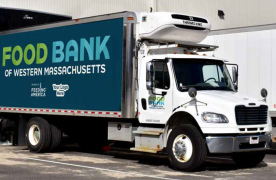
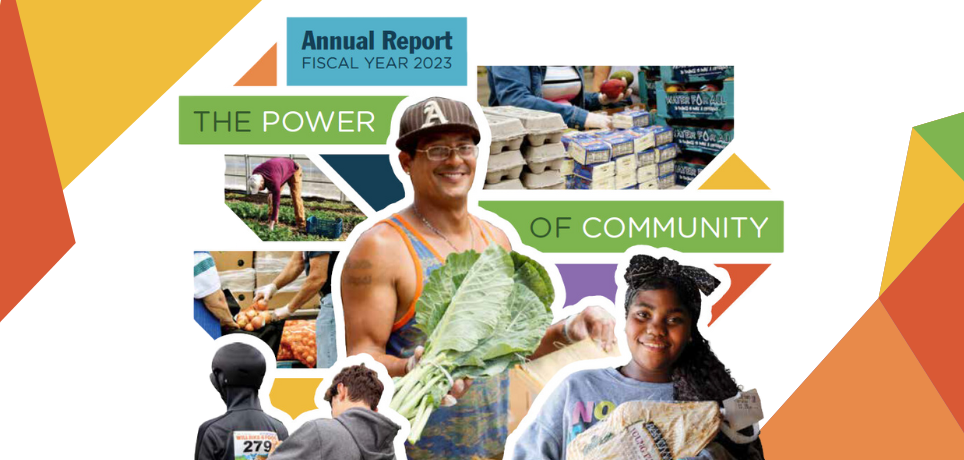
The Food Bank of Western Massachusetts works within our community to reduce hunger and increase food security. Educating and involving students is an important part of our mission.
Youth Against Hunger
Youth Against Hunger (YAH!) is a curriculum for schools and youth programs designed to help students understand hunger, poverty, and homelessness and develop a personal sense of civic responsibility. By reading stories and real life experiences as well as participating in hands-on activities, students will gain an understanding of where food comes from, how it is processed, why everyone doesn’t have equal access to food, and why poverty and homelessness exists.
The YAH! web-based resources listed here include curriculum and service project ideas to use with children from kindergarten through 12th grade. The curriculum includes age appropriate books with follow-up discussion &/or activity ideas interspersed with interactive lessons. There are also ideas for community action projects
The curriculum is organized by grade levels into sections - K-2, 3-6, 7-8, 9-12. Each section lists books, activities, a project idea, and ends with an annotated bibliography. Following the graded sections there are lists of resources, hunger fact information and information about the Food Bank of Western Mass.
Adapt and use the activities freely; combine them with web-based research ; and do a service project that children can implement to make a difference in the fight against hunger.
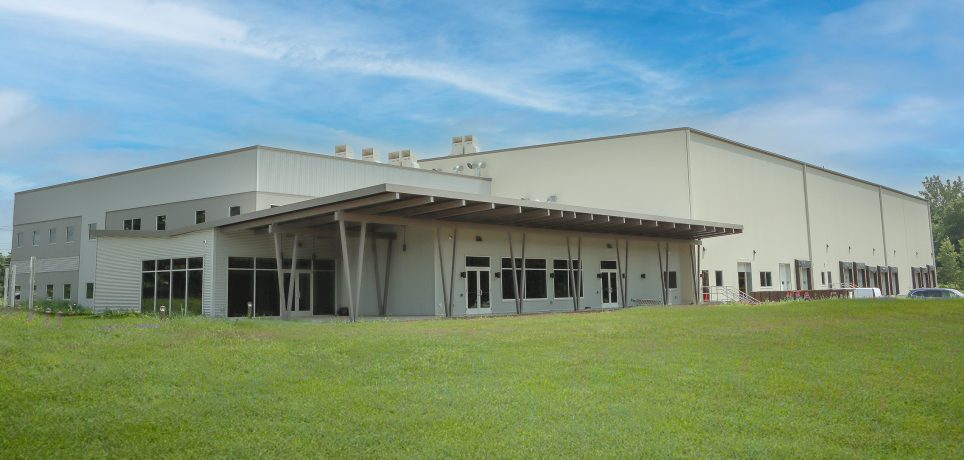
The Food Bank has many more curriculum resources available for educators. Contact us if you would like to learn more, need assistance in using these resources, or if you are interested in arranging an educational tour of our warehouse. Let us know what project you implement and how it went. We would love to learn from your experience.
Sample Activities that Teach about Hunger
Books and Articles
These stories are real life and fictional accounts addressing hunger, poverty, homelessness with follow-up discussion questions and activities (i.e. making posters, role playing, writing, researching). All ages.
Hunger Survey 1
and Hunger Survey 2
This activity asks kids to test what they know, or think they know, about hunger and helps to dispel some commonly held myths. The survey can be a good way to start a conversation about hunger.
Survey 1 is appropriate for kids ages 8-12.
Survey 2 is appropriate for kids ages 12-18.
What is Hunger?: The
Hunger Continuum
This activity will help students think about the complexity of the term ‘hunger’ and gain a better understanding of the different levels of hunger that exist in the world and in their own communities. All ages.
Local Hunger
Banquet
This activity is an adaptation of Oxfam’s Hunger Banquet which demonstrates the unequal distribution of food and resources in our own region and helps participants understand some of the root causes of poverty and food insecurity that effect those in our communities.
The Shopping Game
This activity will help students will gain an awareness of the relationship between hunger and poverty by trying to create nutritious meals on a tight budget. All ages.
How Does The World Eat?: The Snack Game
This activity raises awareness of the unequal distribution of resources around the world and its effect on who is hungry. Included are two versions of the game for different age groups.
Understanding the Food
System
These two activities address the question of where our food comes from and helps students better understand the workings of the food system. By examining the many steps food goes through from the farm to the table participants will better understand the implications of their own food choices and the benefits of purchasing local foods. All ages.
Making Ends Meet
This activity allows students through role play scenarios to experience a week in the life a person living with hunger. Ages 12-18.
Resources to Learn More about Hunger
Annotated Bibliography for Grades K-6 and Grades 7-12
An extensive list of books used in the creation of our curriculum with brief descriptions and notes on age appropriateness for each book. Also includes a short list of relevant videos for children.
Glossary
A list of frequently used terms on the theme of hunger
with definitions
Web Resources
An extensive list of links to resources on the web related
to poverty, hunger and food including brief descriptions.